Experimentation-powered Marketing Science Agent
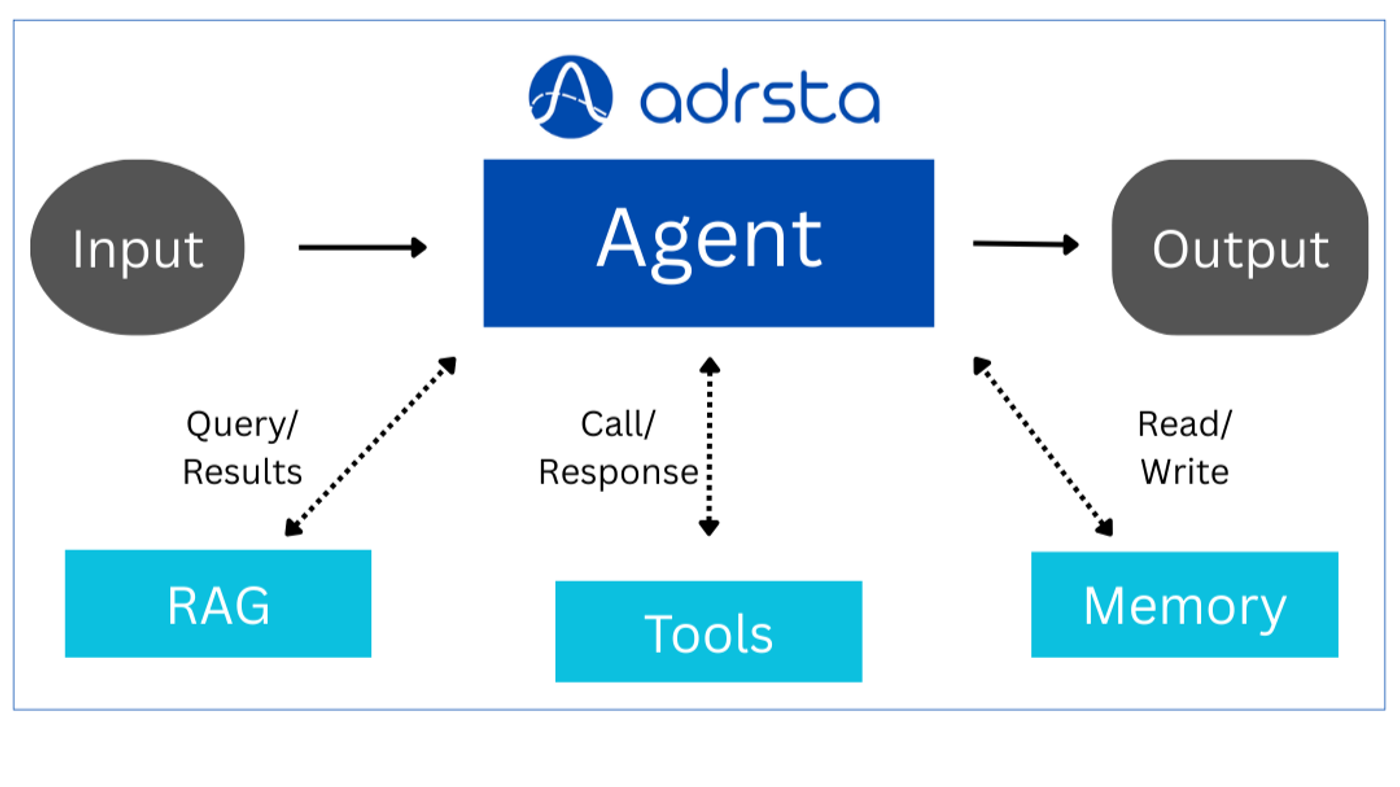
Most marketing measurement tools tell you what happened after your budget is already spent. At Adrsta, we're building something different: AI agents that don't just analyze—they act. The core question we're exploring: What if analytics didn't stop at insights, but directly powered autonomous agents that execute decisions?
The Problem with Traditional Attribution and Measurement
Today's marketing measurement follows a broken workflow:
- Analytics → Generate insights about what worked
- Humans → Interpret data and plan changes
- Manual execution → Implement budget shifts weeks later
- Repeat → Start over next quarter
By the time you act on insights, market conditions have changed and opportunities are gone.
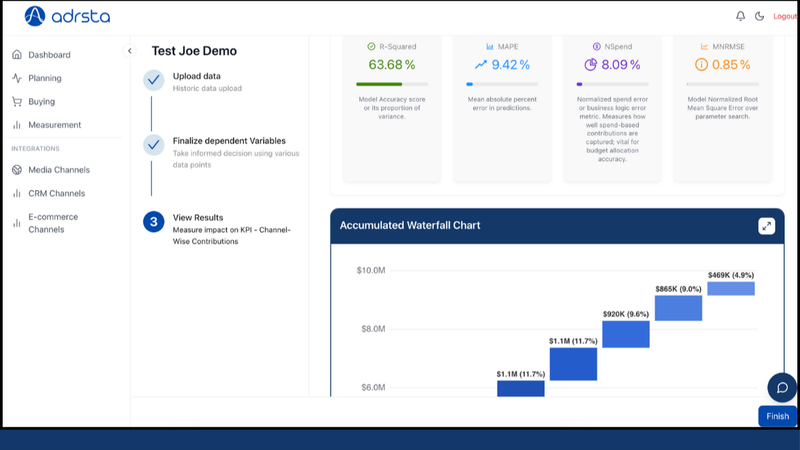
Agent #1: Autonomous Marketing Mix Modeling: Instead of MMM dashboards that show "TV drove 30% of conversions," imagine an agent that automatically reallocates your TV budget to higher-performing channels.
How it works:
- Ingests real-time spend, sales, and seasonality data
- Runs machine learning models to calculate true channel contribution
- Agent layer consumes these insights and programmatically shifts budgets
- Agent layer consumes these insights and programmatically shifts budgets
- Built-in guardrails ensure changes stay within ROI floors and spend caps
- Learns from past decisions to improve future allocations
The result: Insight → Agent Decision → Platform Action → Continuous Learning
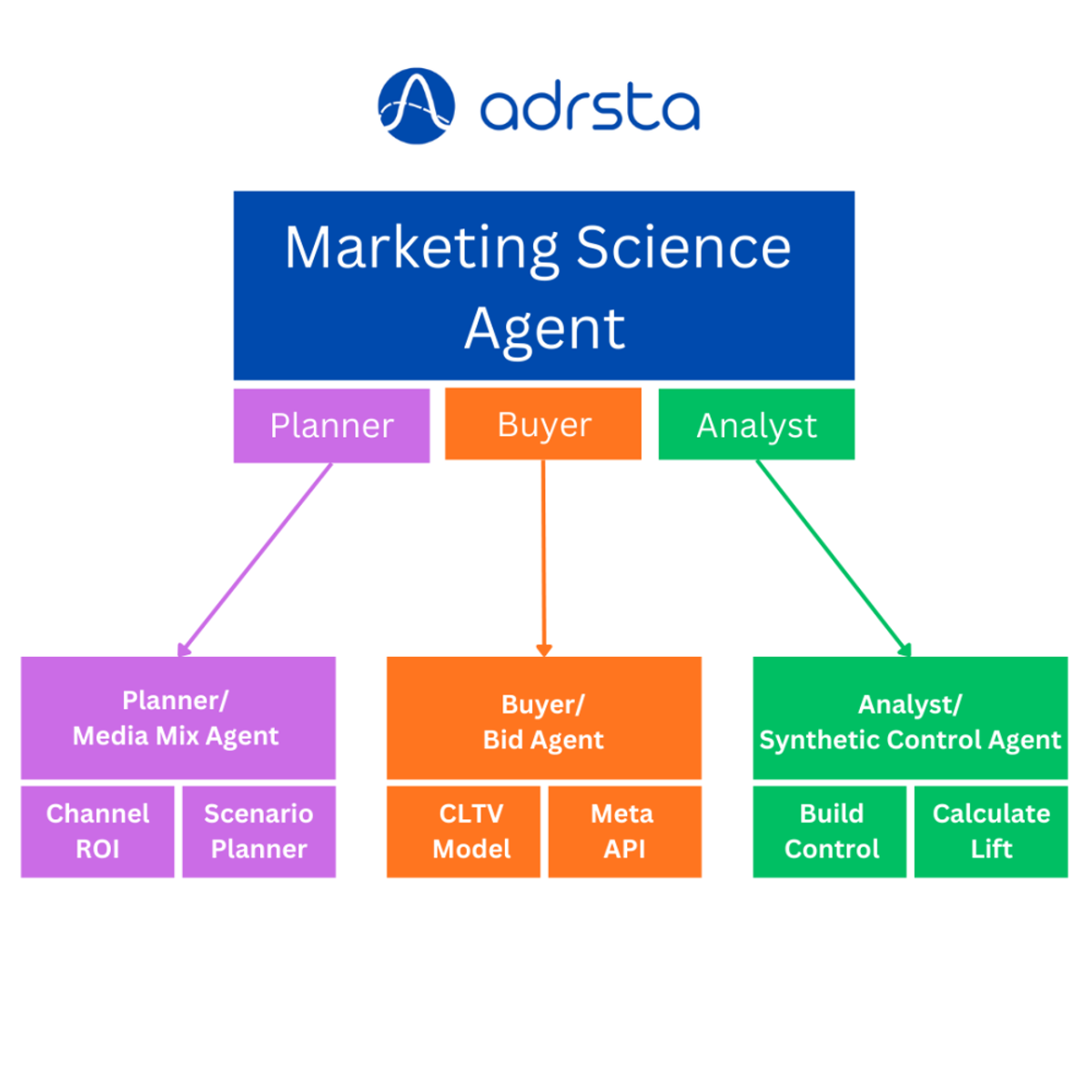
Agent #2: Autonomous Bidding Optimization: Traditional bid management follows simple rules: "increase bids if ROAS drops." Our bidding agent thinks strategically about auction dynamics and competitor behavior.
How it works:
- Core bidding engine predicts click-through rates and adjusts bids for maximum ROI
- Competition simulator tests strategies against different bidder behaviors
- Strategy planner uses past auction data to suggest winning approaches in complex scenarios
The result: Self-learning bidding agents that don't just follow rules—they adapt, simulate, and strategize like experienced traders.
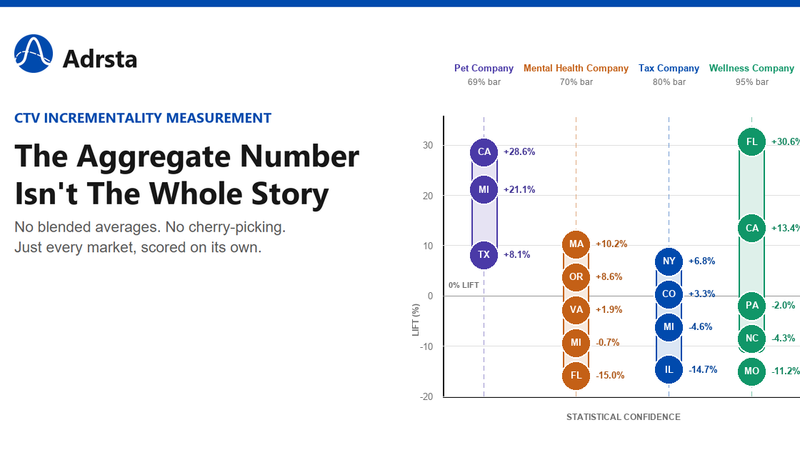
Agent #3: Autonomous Experimentation: Most geo-lift experiments happen once or twice per year. Our experimentation agent runs continuous micro-tests to identify what's actually driving incremental results.
- Core bidding engine predicts click-through rates and adjusts bids for maximum ROI
- Competition simulator tests strategies against different bidder behaviors
- Strategy planner uses past auction data to suggest winning approaches in complex scenarios
How it works:
- Experiment designer automatically selects test vs. control geographies
- Synthetic control engine runs real-time causal inference against dynamic baselines
- Decision agent interprets results and recommends scaling, reallocation, or shutdown
- Learning system improves test design based on past experiment outcomes
The result: Continuous experimentation that generates insights weekly, not quarterly.
Why This Matters
These aren't three separate tools—they're interconnected agents that make each other smarter:
- MMM insights inform bidding constraints
- Experimentation results update attribution models
- Competitive intelligence feeds strategic planning
- Each agent's learning improves the entire system